

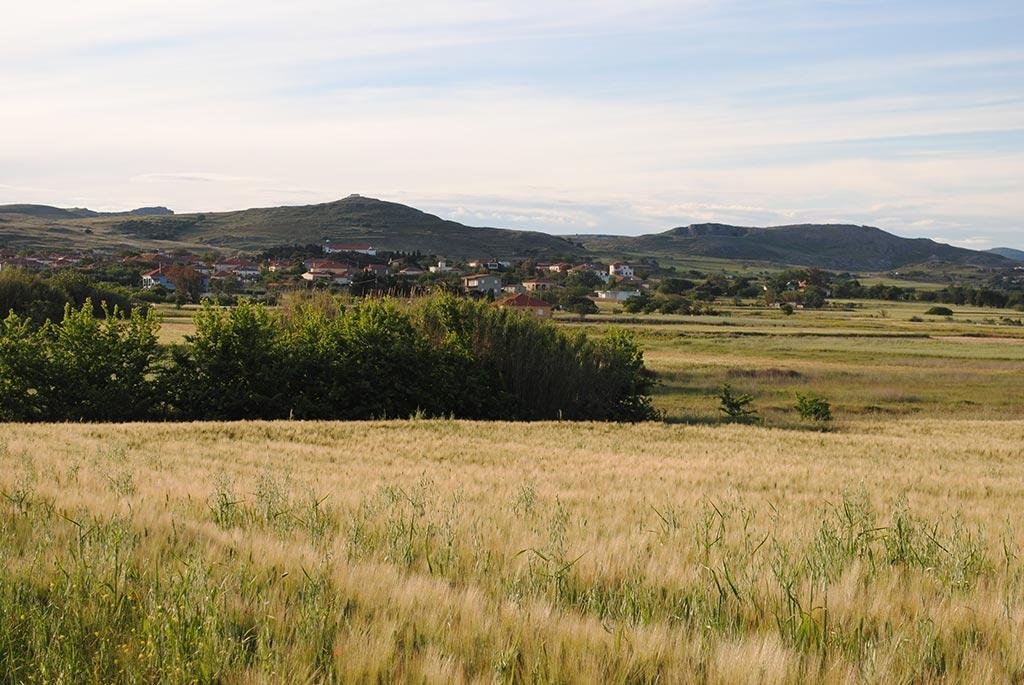
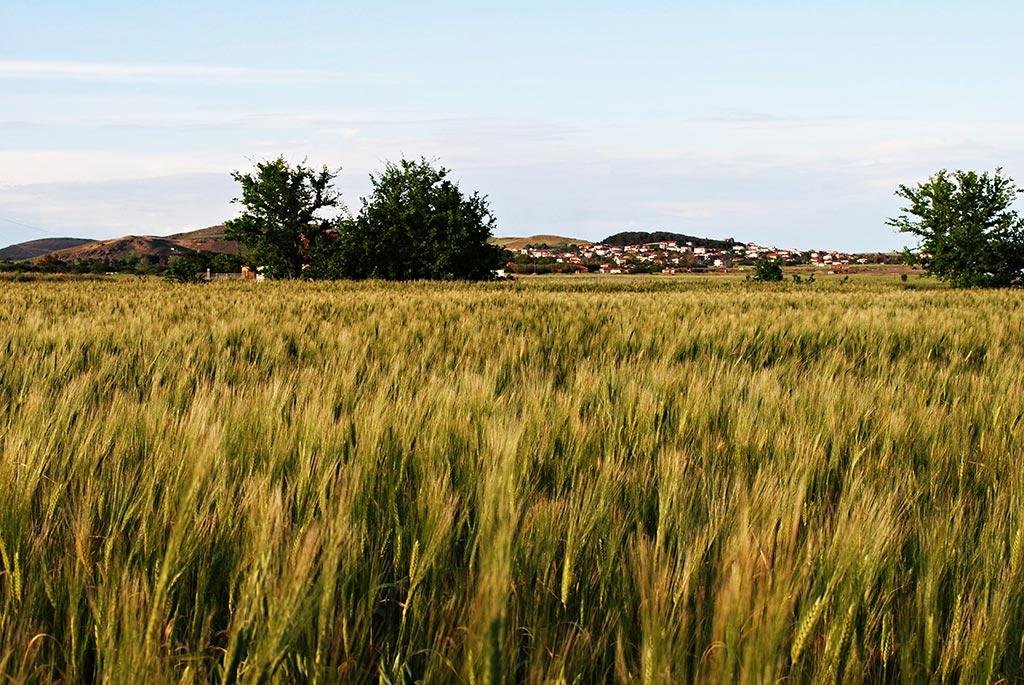
The name Lemnos is said to originate from the Homeric word “leion”, which refers to a field sown with cereals or a fallow field. The island’s soil is rich and volcanic, with fertile plains that provide an ideal environment for the cultivation of various grains. As a result, cereals were grown in large quantities by the farmers of Lemnos. Rightfully so, Lemnos became the granary of Athens during the Archaic period.
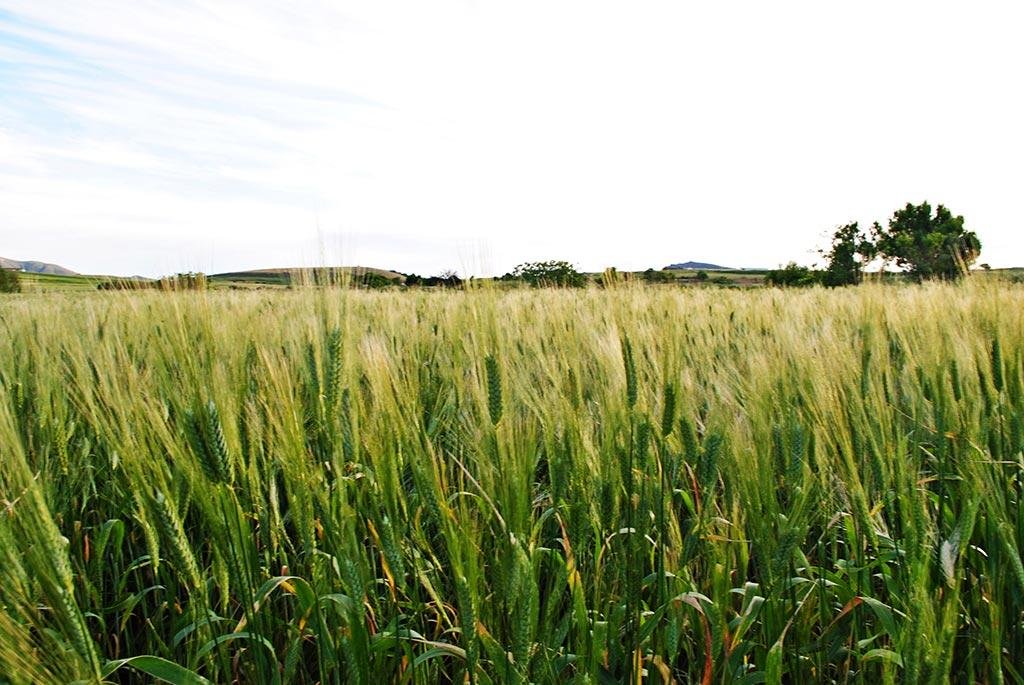
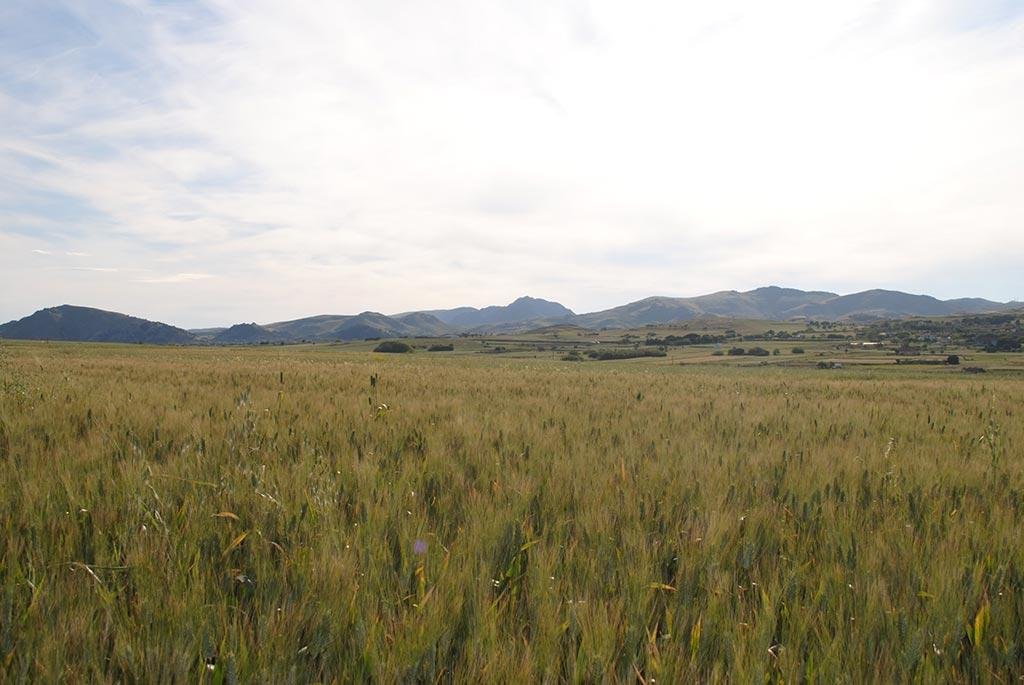
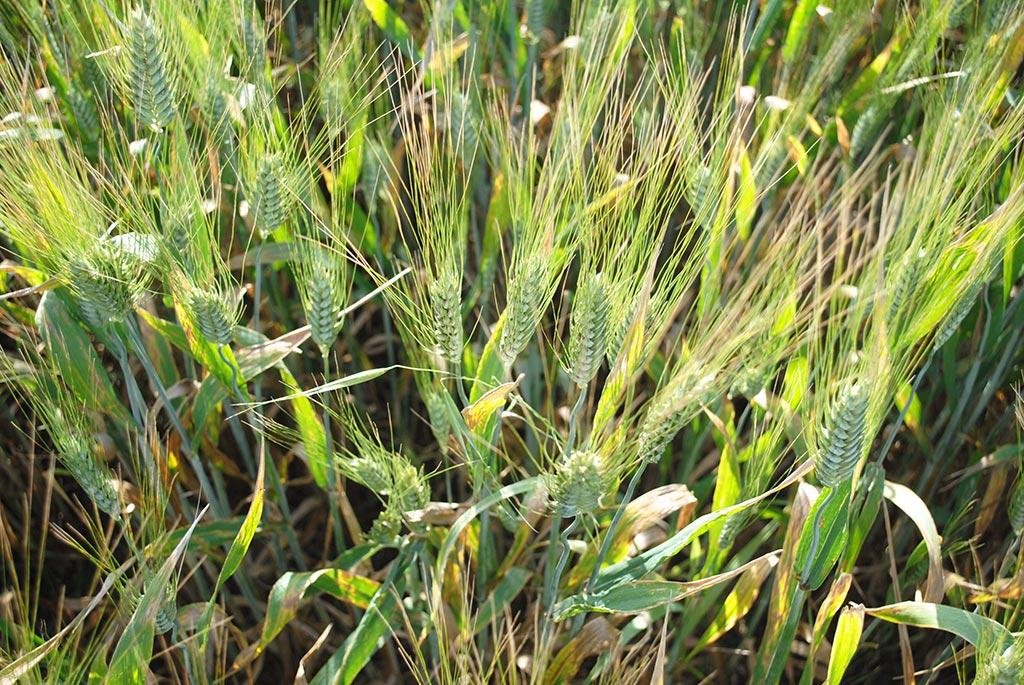
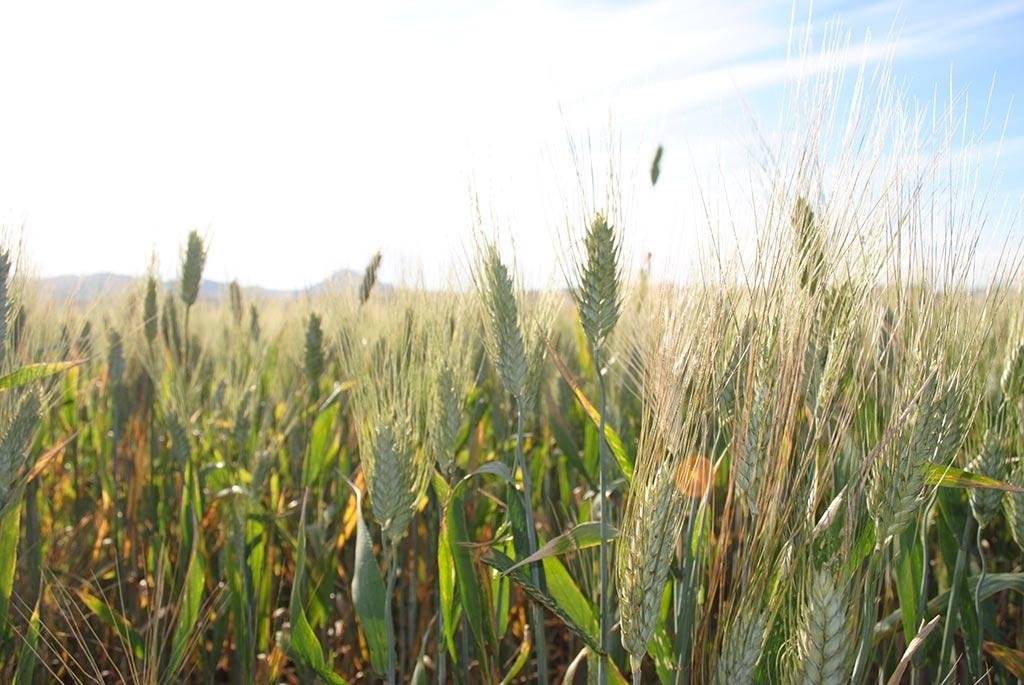
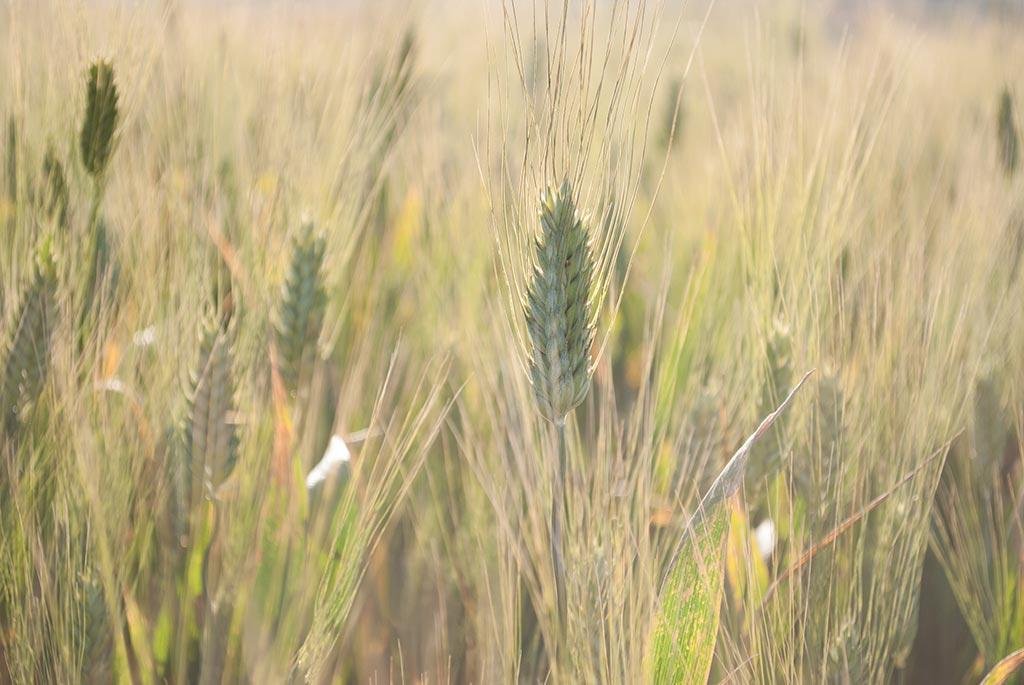
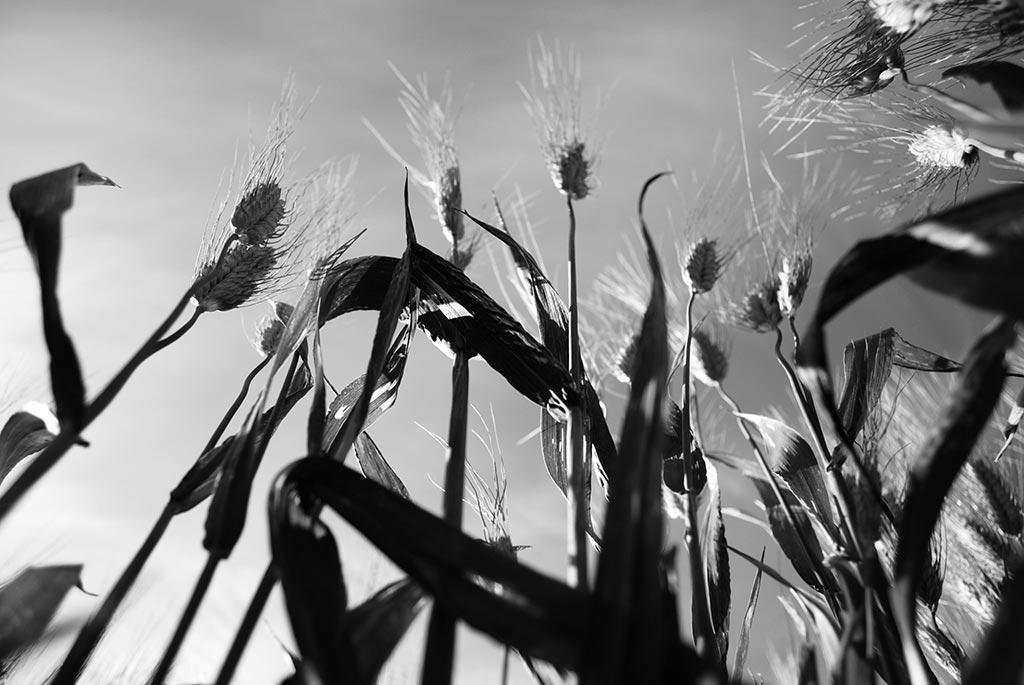
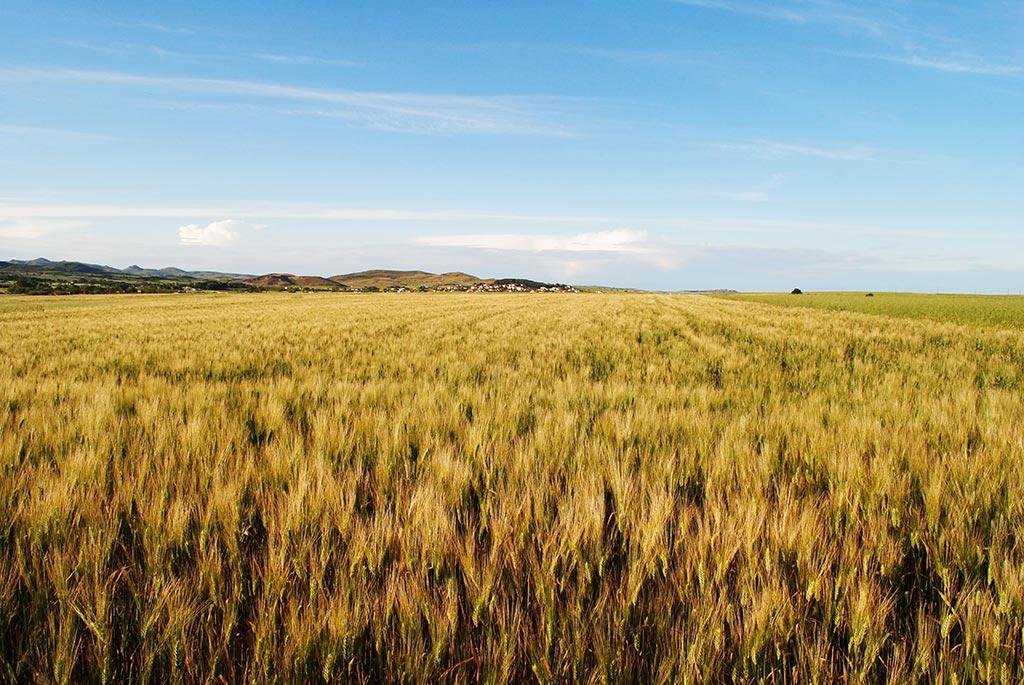
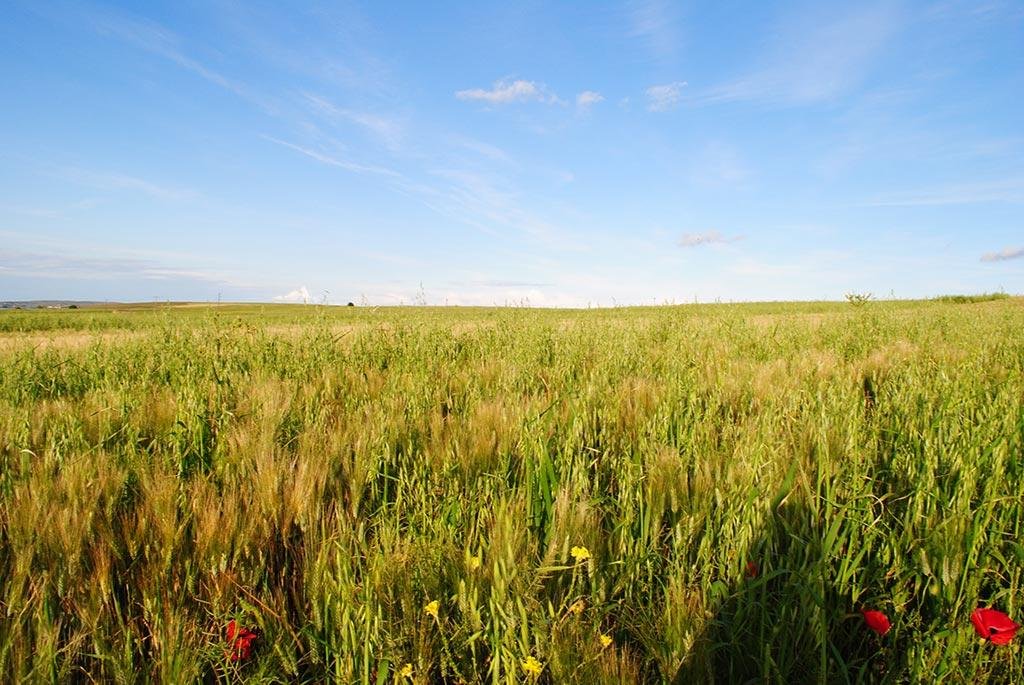
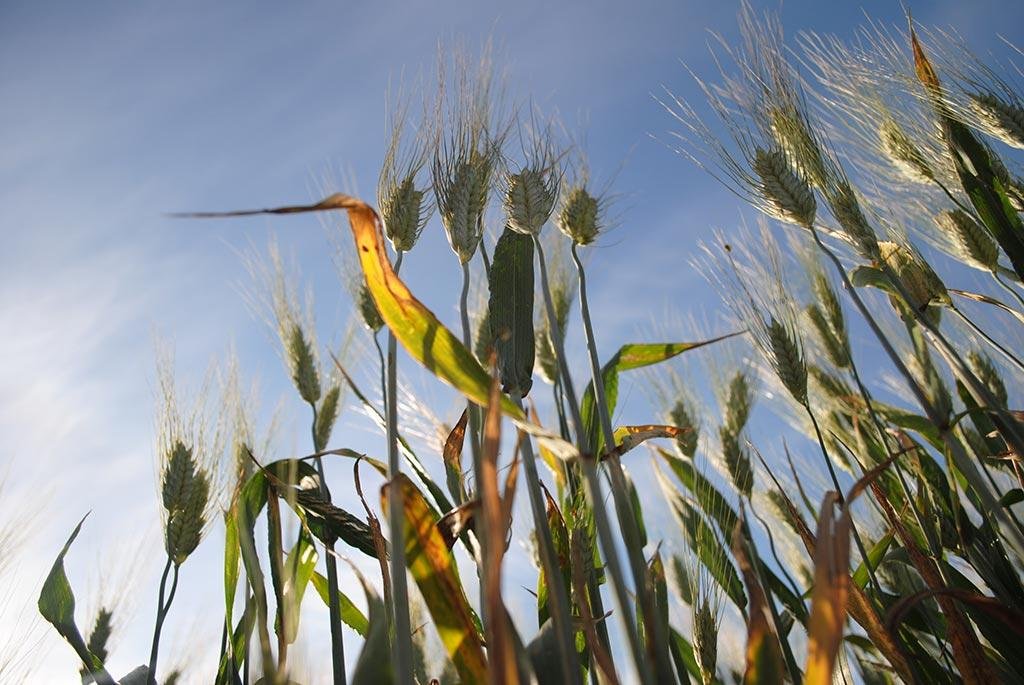
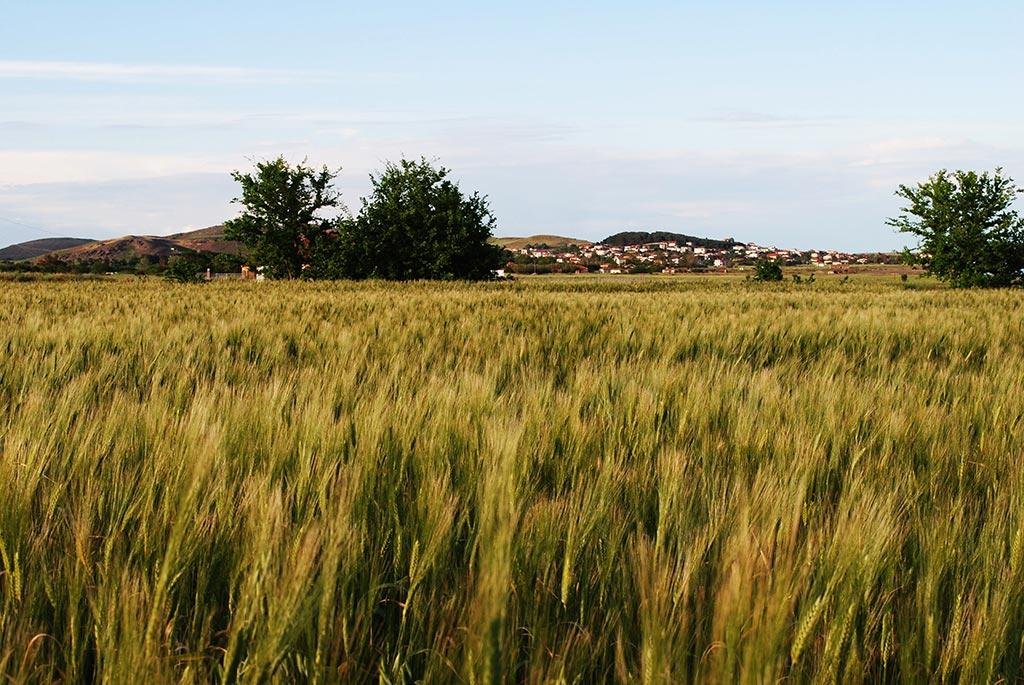
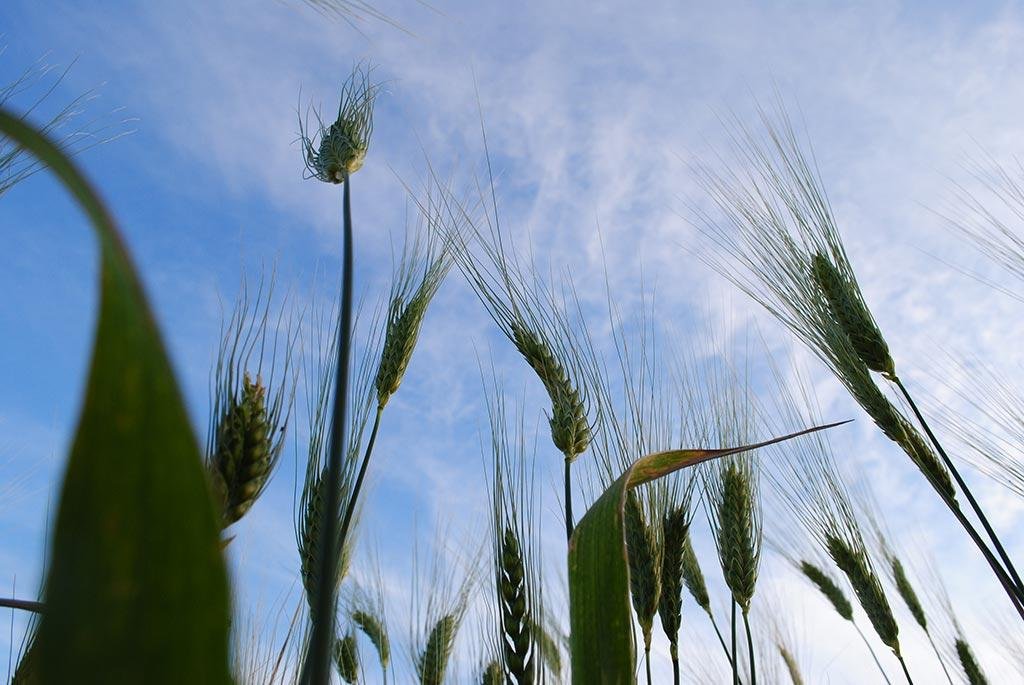
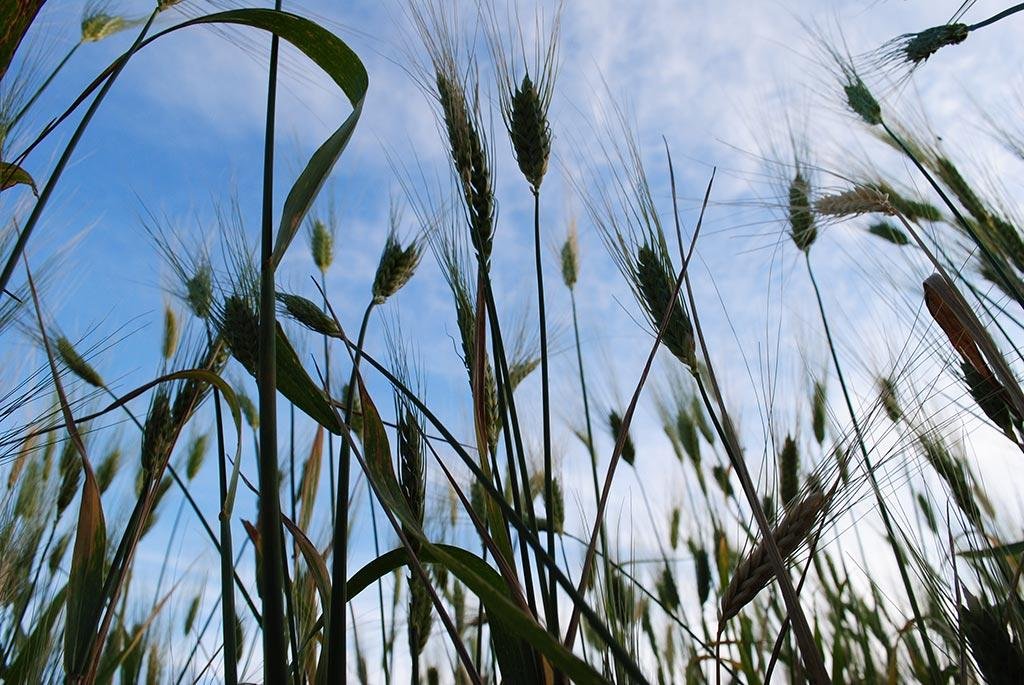
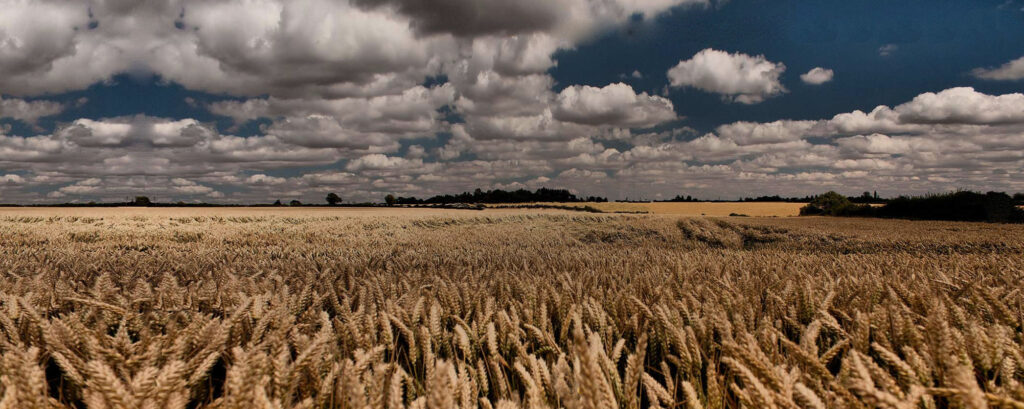
Distinct varieties of wheat were cultivated on the island, such as the local “Lemnos” wheat and the “Panagia” barley. These played a crucial role in shaping the island’s gastronomy and beyond, as large quantities were supplied to Mount Athos and other parts of Greece. Even today, the signature landscape of Lemnos is its vast wheat fields that stretch all the way to the sea.
It is worth mentioning that in previous years, these local grain varieties had almost ceased to be cultivated or had nearly disappeared for various reasons. In response, organized efforts have been made to recover these seeds and reintroduce their cultivation in Lemnos to preserve these traditional varieties and safeguard the island’s agricultural heritage.
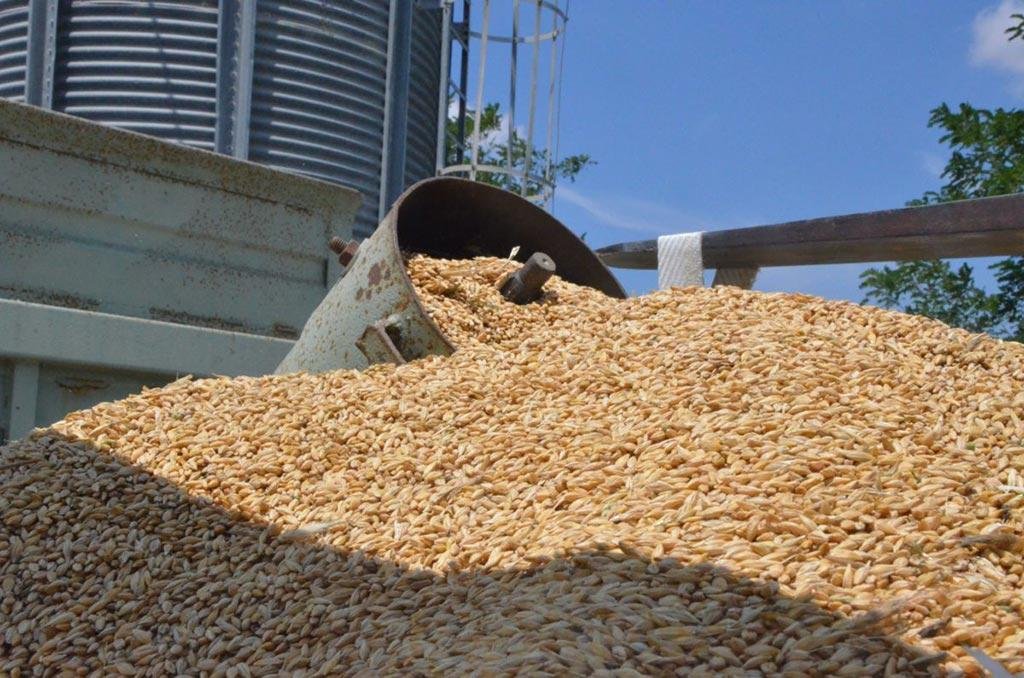
For approximately 15 years, the Poriazis Family, specifically Nikos and Dimitris Poriazis, conducted research to locate the seeds of the native “Lemnos” wheat variety. They successfully identified and began cultivating it. Over time, the production increased to the extent that it now fully covers the daily production of bread, rusks, and Flomari (a local type of pasta) for their business, “Poriazis Family – Lemnos”.
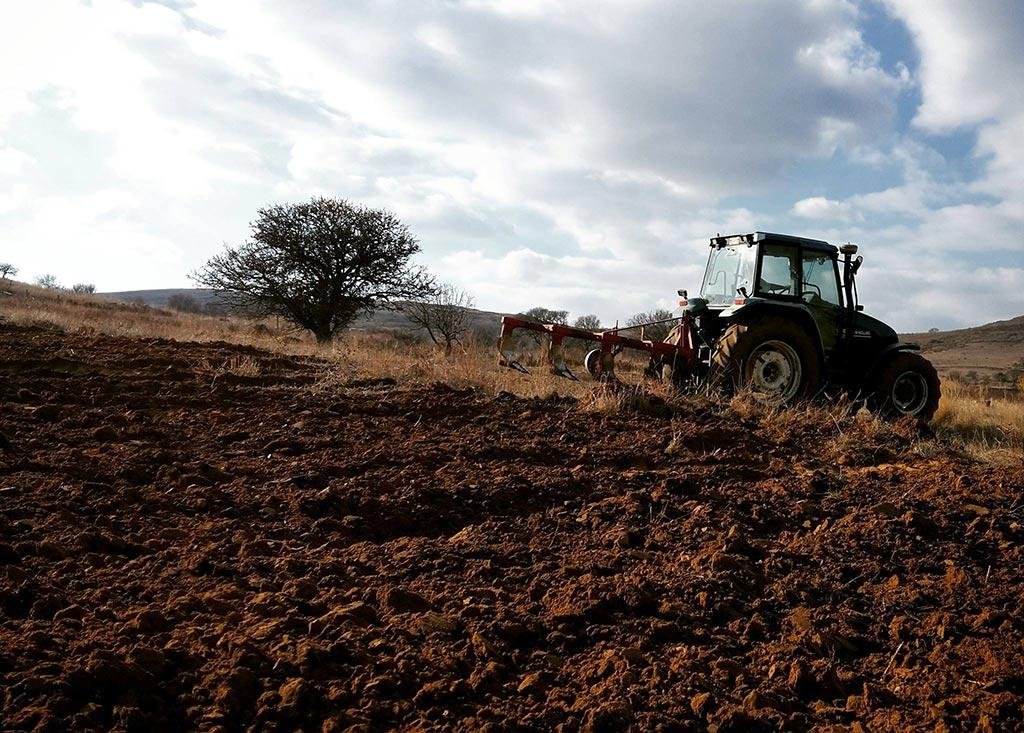
In recent years, to meet the growing demand for “Lemnos” wheat production, they have established contract farming collaborations with local farmers on the island. These partnerships continue to grow, both in number and in the quantity of grain produced. A particularly significant collaboration has been established with the Pan-Lemnian School Fund (Metropolis of Lemnos), Mr. Tsouvalas, and other contributors.
Sahre it!
 Traditional Products for a New Era


