

The Name & History
Originally, the village of Portianou was located further west, in the area of Agios Spyridon, where traces of the old cemetery and buildings still remain. According to local accounts—though unverified—a plague forced residents to relocate to the current site about three centuries ago. The village name does not appear in Byzantine monastery records, unlike most Lemnos villages. It first appears on the 1785 map of Choiseul-Gouffier under the name Portiano, confirming its relatively recent establishment. Later travelers, such as Conze (1858), De Launay (1898), and Fredrich (1904), recorded the name in masculine form as Pοrtianos. Official community documents refer to it in the genitive case as “Portianou”, and in 1918, it was officially registered in its neutral form: Portianon.
The Residents
Today, Portianou has around 300 permanent residents, most of whom work in agriculture, livestock farming, or fishing. The village maintains its traditional way of life, with many families continuing age-old farming practices.
A Tour of Picturesque Portianou
The Church of the Presentation of the Virgin Mary
Built in 1835 under Metropolitan Nektarios, the main church of the village is dedicated to the Presentation of the Virgin Mary. It is a three-aisled basilica, perched on a small hill, making it a striking landmark in Portianou.
1858: The traveler Conze admired its vibrant colors and discovered a marble sarcophagus within the church.
1875: A major renovation was recorded, with lead craftsman Pantelis Zanis overseeing the work.
Decorations: The interior features a carved, gilded iconostasis and frescoes by Grigorios Papamalis. The marble columns of the outer narthex are repurposed from an older structure.
This architectural masterpiece is one of Lemnos’ most beautiful churches, known for its intricate craftsmanship and spiritual ambiance.
The Allied War Cemetery
Between April 1915 and 1920, hundreds of soldiers who perished in the Gallipoli Campaign were buried in the Portianou Allied Cemetery, which remains well-preserved today. 352 graves hold soldiers from Britain, France, Canada, Australia, New Zealand, Egypt, and India. Every year, diplomatic representatives from these nations visit to pay tribute to their fallen countrymen.
The Folklore Museum

Founded in 1995 by Vasilis Poriazis, president of the Portianou Association of Athens-Piraeus, this museum celebrates Lemnian heritage. It houses a rich collection of:
- Traditional costumes
- Old tools and household items
- Furniture, photographs, and handmade crafts
Located in a charming traditional building, the museum brings the past to life. More details can be found on their website: Laografiko-Limnos.gr—but don’t just visit online, go see it in person!
Traditional Mansions & Stone Houses
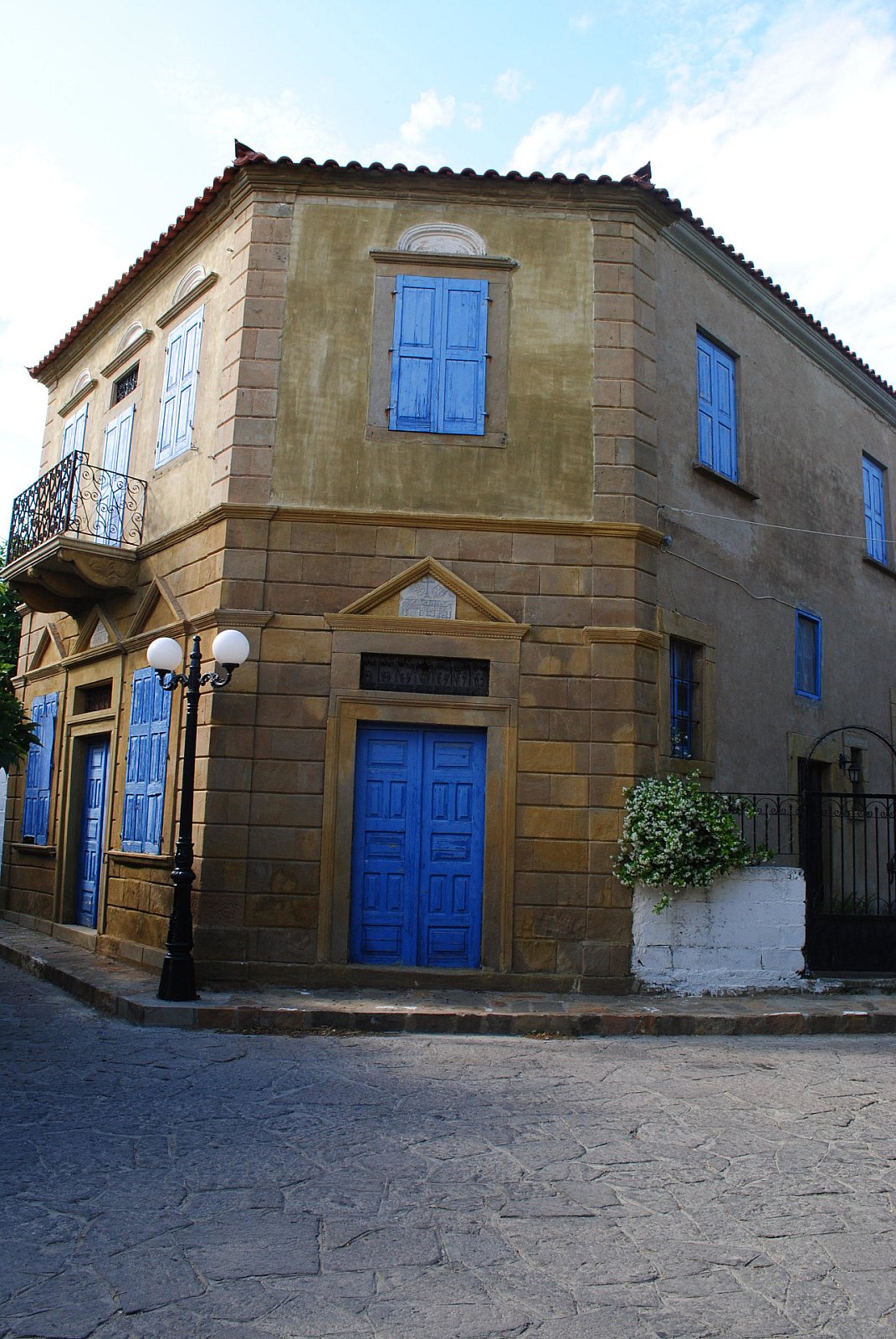

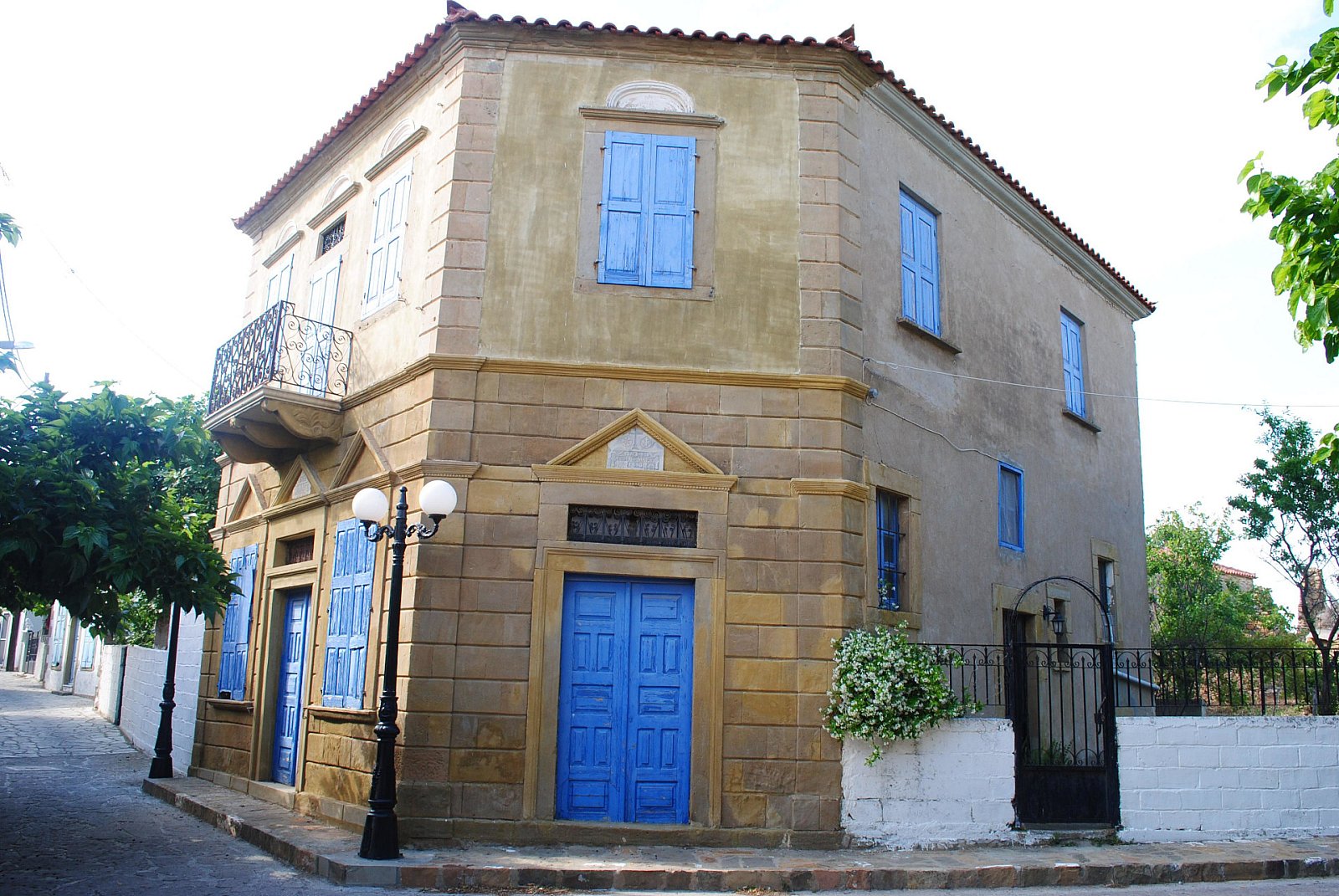
Portianou’s architecture is stunning, with stone-built homes, colorful window frames, and lush gardens filled with flowers and homegrown vegetables.
Historical Information Center of Portianou
This cultural hub provides an in-depth look at Lemnos’ history, featuring: · Mythology and Ancient History
- The Byzantine & Ottoman Periods
- The Liberation of Lemnos
- World War I & the Gallipoli Campaign (focusing on the ANZAC presence).
Portianou is a village where history, tradition, and natural beauty come together. Whether you’re visiting for its historic sites, charming houses, or rich cultural heritage, it’s a must-see destination in Lemnos!
Sahre it!
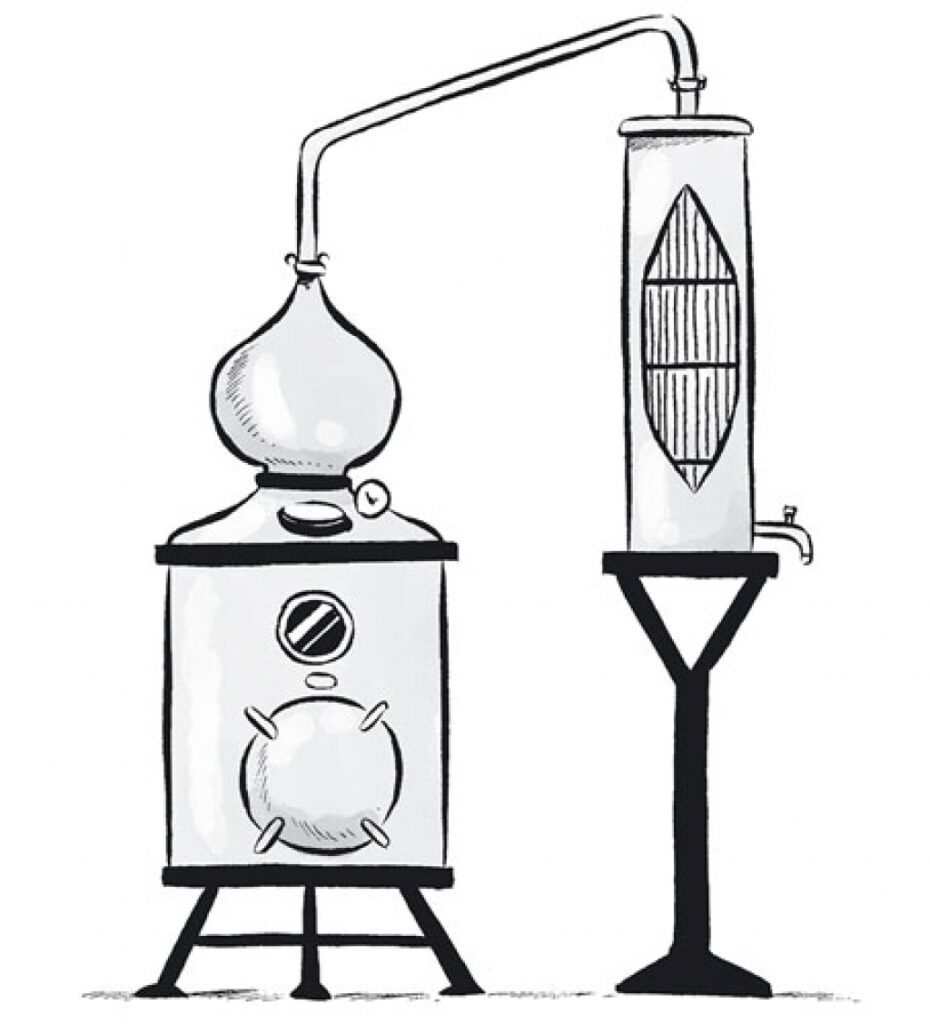 The Ouzo Distilleries of Lemnos: A Sensory Experience


